

Quick answer
The Whitsundays deliver exceptional value for travelers prioritizing marine environments and natural beauty, particularly between May and September when calm seas and clear skies create ideal conditions for reef exploration and beach access. The archipelago's protected waters host fringing coral reefs, secluded anchorages, and Whitehaven Beach's seven-kilometer silica sand stretch. Free national park entry keeps baseline costs low, though reaching offshore islands requires boat transport.
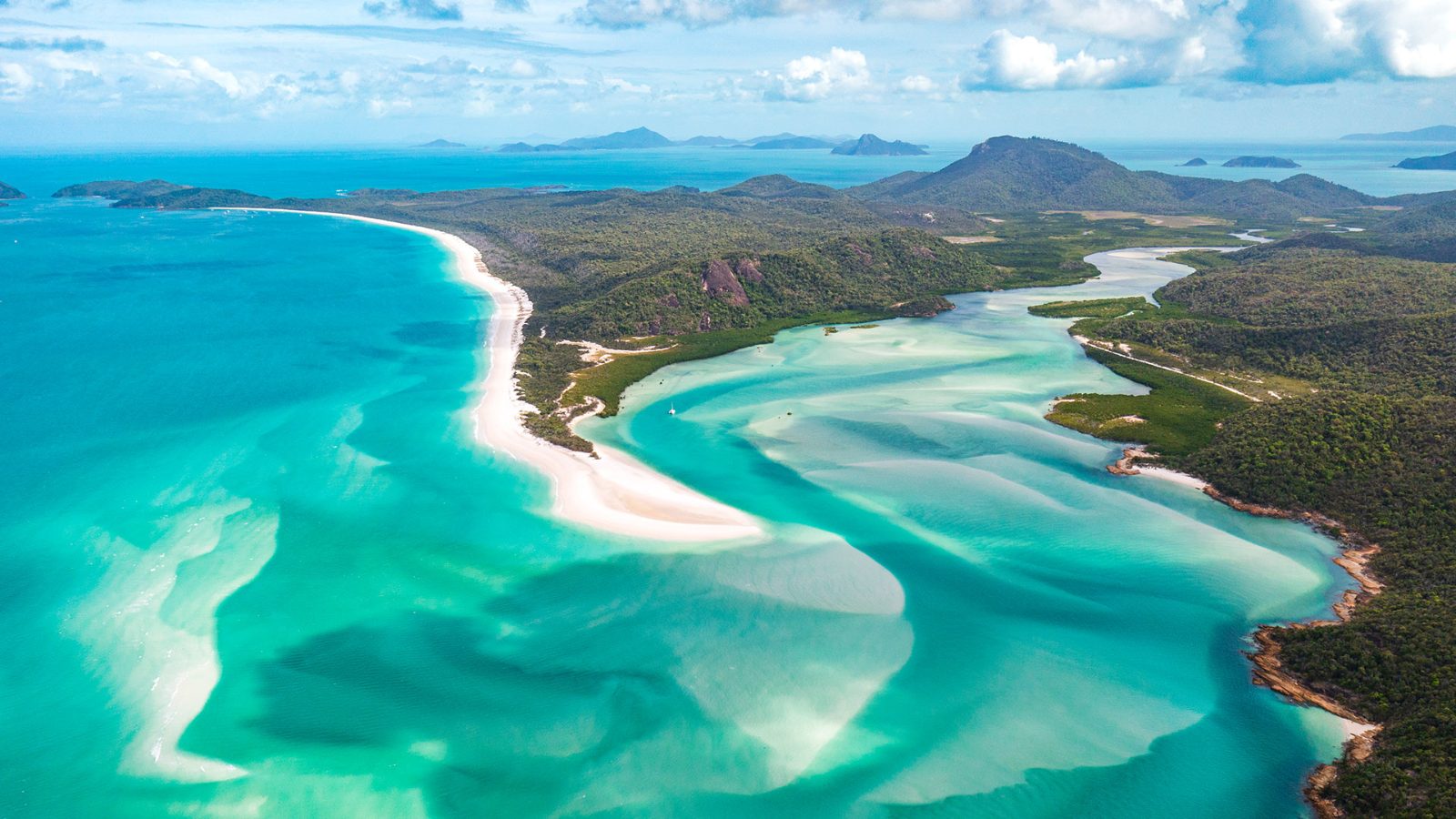
The Great Barrier Reef's southern edge threads through the Whitsunday Islands, placing living coral within a 20-minute boat ride from most departure points. This proximity means snorkeling trips spend more time in the water and less time in transit compared to reef access from Cairns or Port Douglas, where outer reef sites sit two hours offshore. Whitehaven Beach anchors most visitor itineraries, and the reality matches the marketing images. The sand composition—98 percent pure silica—stays cool underfoot even in direct sun and produces that distinctive white glow visible from Hill Inlet lookout. Day tours from Airlie Beach reach the northern end in 45 minutes, while overnight sailing trips anchor in Tongue Bay for dawn access before other boats arrive. The beach stretches seven kilometers with no commercial development, a rarity among Australia's most-photographed coastal sites. The decision to visit the Whitsundays worth visiting hinges on your interest in water-based activities. Eighty percent of the experience happens on or under the ocean—sailing between islands, snorkeling coral bommies, paddling through mangrove channels, or diving sites like Blue Pearl Bay. Visitors seeking built attractions, museum circuits, or evening entertainment will find Hamilton Island's marina village the only developed hub, and even that infrastructure serves primarily as a gateway to the surrounding marine park rather than a destination itself. Timing shapes value significantly. The May-to-September window delivers the conditions the destination is known for—visibility exceeding 20 meters on the reef, consistent southeast trade winds for sailing, and minimal stinger presence in the water. Book accommodations and tours three months ahead for this peak season. November through March brings monsoonal humidity, afternoon storms, and stinger nets at monitored beaches, though reef conditions remain diveable and rates drop 30 percent. The national park designation means you're visiting a protected environment rather than a resort complex. Camping permits for island sites cost 6.75 AUD per person per night, but you'll carry all supplies and waste out. Most visitors base themselves in Airlie Beach and take day trips, which range from 130 to 350 AUD depending on vessel type and itinerary length.
“The sand's 98 percent silica composition stays cool underfoot even in direct sun and produces that distinctive white glow visible from Hill Inlet lookout.”
Why Are the Whitsundays Worth Visiting? Key Sites and Features
The Whitsunday Islands offer diverse coastal landscapes and marine environments shaped by the Great Barrier Reef. These specific sites represent the primary geographic features that define the region.
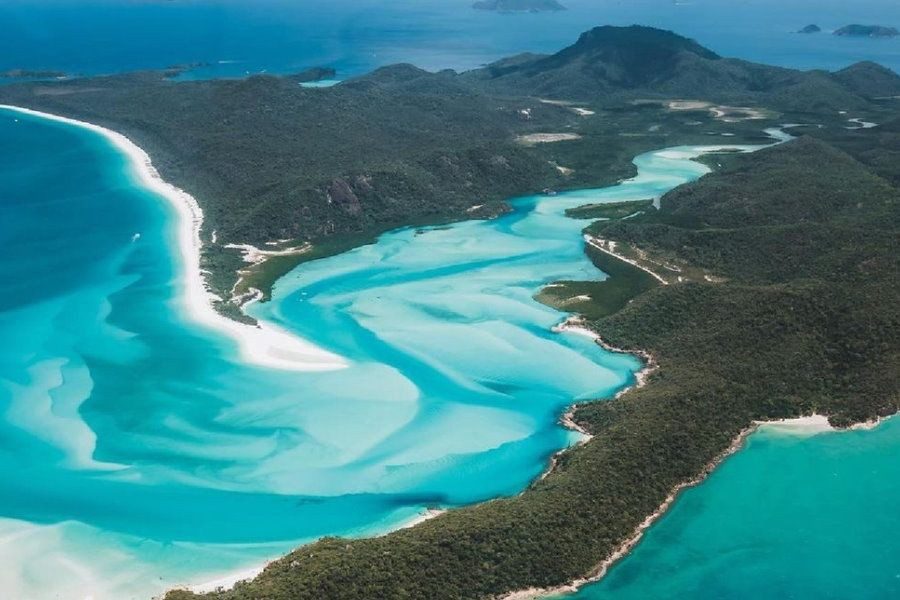
Whitehaven Beach
A seven-kilometer stretch of white silica sand renowned for its high purity and fine texture. The beach remains accessible for walking and coastal observation.
Visit during low tide to walk the expansive sand flats.
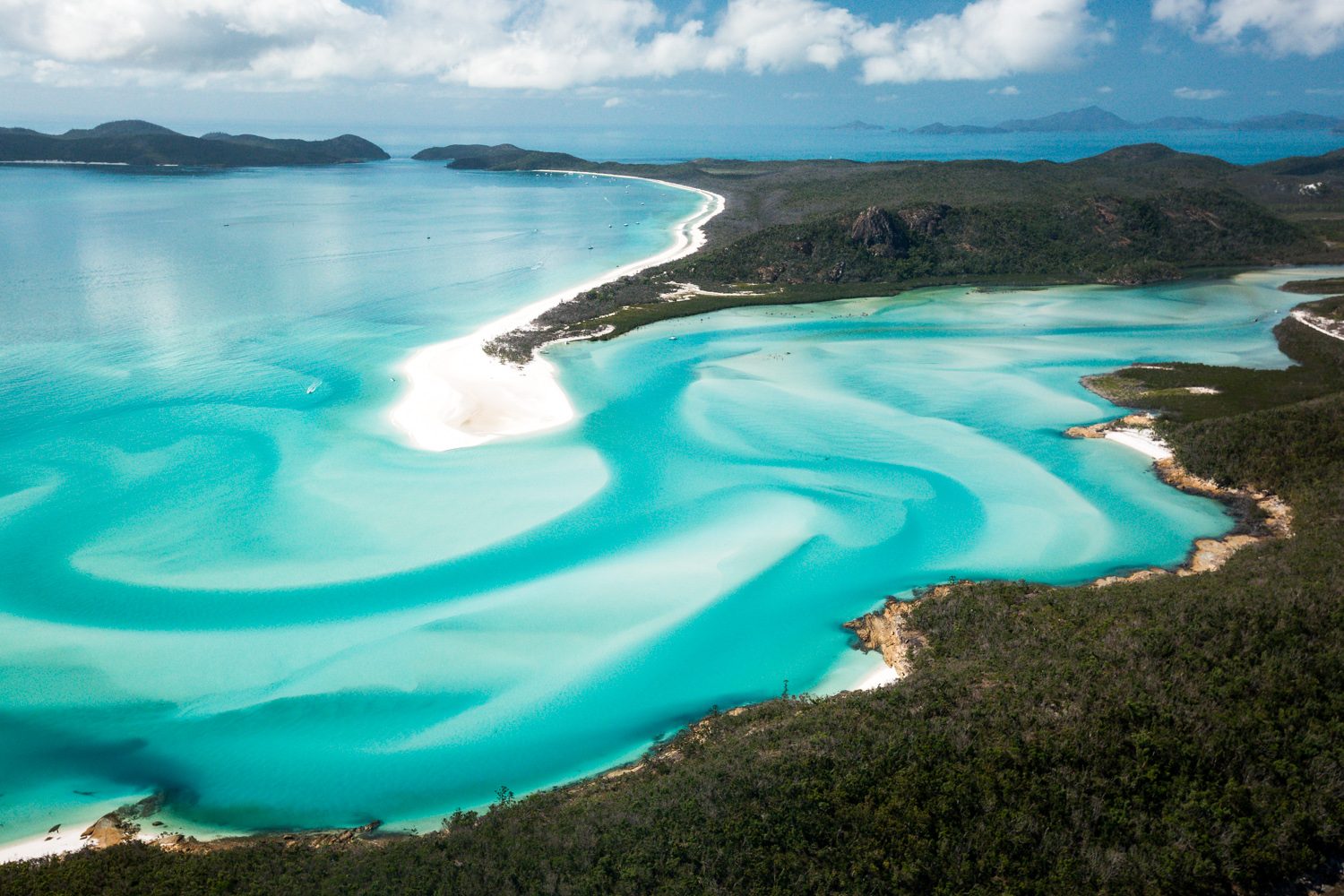
Hill Inlet
A tidal inlet located at the northern end of Whitehaven Beach where shifting sands create changing patterns of blue and white water. Visitors can access a dedicated lookout for elevated views.
Use the track to the lookout for the full view.
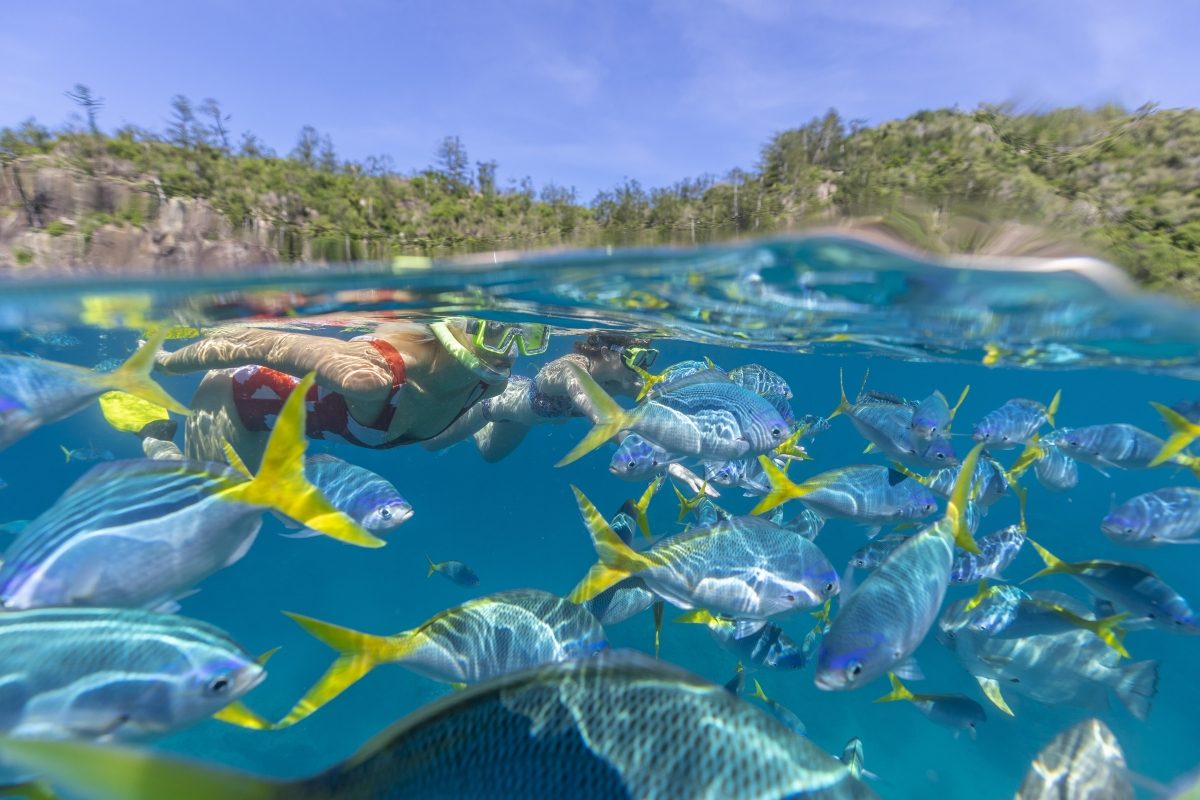
Hook Island
Characterized by steep, rugged cliffs and deep bays, this island provides access to fringing coral reefs. It serves as a location for snorkeling and observing marine life.
Anchor in the sheltered bays for calm water access.

Langford Island
A small island known for its long, narrow sandspit that emerges at low tide. This feature provides a connection between the main island and the surrounding reef structure.
Walk the sandspit during the low tide window.
When Are the Whitsundays Worth Visiting for Optimal Conditions?
The period between September and November offers the most reliable conditions, balancing mild temperatures with lower rainfall. For daily logistics, planning activities within the optimal arrival window ensures the best experience on the water.
September–November
Moderate crowdsDry, 22°C to 29°C
This shoulder season provides stable weather and clear water visibility. Conditions are ideal for boating and snorkeling before the summer humidity begins.
December–March
High crowdsHumid, 25°C to 31°C
Expect higher temperatures and increased rainfall. This period coincides with the tropical wet season and jellyfish presence.
April–August
Moderate crowdsCooler, 18°C to 26°C
Winter months feature pleasant temperatures and low rainfall. The water is cooler, but days remain clear and consistent for outdoor activities.
Daily Arrival Window
Variable—
Arriving between 08:00–16:00 provides the best daylight hours for boating and swimming. This window avoids the peak heat of the day.
Verdict: The most favorable time to visit is during the shoulder months of September and October, arriving daily between 08:00–16:00 to maximize comfortable conditions.
Are the Whitsundays Worth Visiting on a Budget? Entrance Fees Explained
Visiting the Whitsunday Islands National Park is free of charge for general entry. Costs only arise if you choose to camp overnight or book external commercial transport.
The entry fee is 0 AUD, with total costs depending solely on whether you require an overnight camping permit.
How to Get to the Whitsundays: Are the Islands Worth Visiting Accessibility-Wise?
The Whitsunday Islands are located off the central coast of Queensland, Australia, and are accessible exclusively via water transport from the mainland. Most visitors arrive by departing from coastal hubs such as Airlie Beach or Shute Harbour.
Commercial ferry from Port of Airlie to Hamilton Island or islands
Private charter or tour vessel from Shute Harbour
Bruce Highway (A1) to Airlie Beach
Translink or private coach services to Airlie Beach transit terminal
Tips for Determining Are the Whitsundays Worth Visiting During Your Trip
Practical preparation ensures a smoother experience when navigating the islands and surrounding marine environments.
Book tours early
Demand for boat excursions peaks during school holidays, so secure your vessel arrangements weeks in advance to ensure availability.
Pack reef-safe sunscreen
The marine environment is sensitive, and standard sunscreens often contain chemicals that harm coral growth.
Stinger suit necessity
During warmer months, rental boat operators provide stinger suits to prevent contact with box jellyfish and irukandji.
Wind and tide awareness
The islands experience significant tidal shifts, which impact water clarity and access to certain beaches; check daily tide charts before planning remote shore landings.
Pack light dry bags
Water transfers to islands often involve wet landings, so keep electronics and documents in waterproof bags rather than standard luggage.
Leave no trace
All waste, including organic scraps, must be removed from the islands to maintain the ecological health of the national park.
Pre-Visit Checklist: Are the Whitsundays Worth Visiting Prepared?
The Whitsundays require advance planning for boat tours, permits, and marine conditions—sort these essentials before departure.
-
Book your boat tour early — Peak season fills quickly, especially for multi-day trips and Whitehaven Beach access.
-
Check marine stinger season dates — Box jellyfish present November to May; stinger suits required for swimming.
-
Arrange Airlie Beach transfers — Most tours depart from Airlie Beach marina; book shuttles or parking ahead.
-
Pack reef-safe sunscreen and water shoes — Protect coral ecosystems and navigate rocky shorelines safely.
-
Confirm camping permits if staying overnight — National park camping requires advance booking through Queensland Parks; fees apply per person per night.
-
Download offline maps for the region — Mobile coverage is patchy across the islands; GPS navigation helps orient between anchorages.
Check availability
Common questions about are the whitsundays worth visiting
Everything you need to know about are the whitsundays worth visiting